


ssential tips for safe long-distance driving, especially at night and on unfamiliar roads.
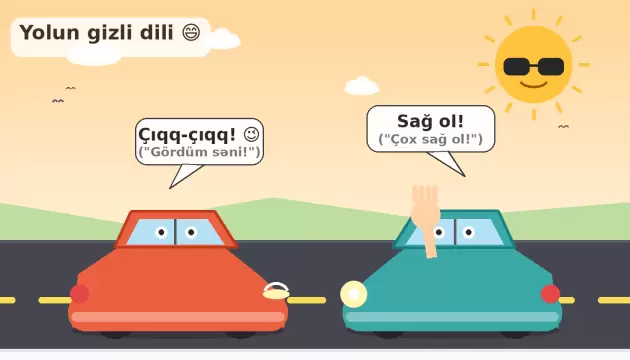
Secret language of drivers, driver signals, flashing headlights, driving etiquette, driver gestures

Put your automotive business directly in front of car owners on MegaCar.

A weak car battery can cause slow engine starts, clicking sounds from the starter and dim headlights.
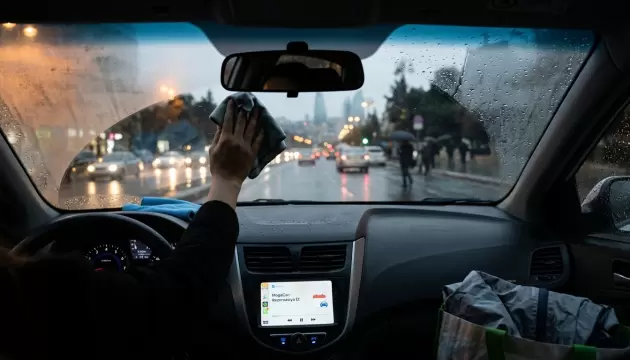
In autumn, lower temperatures and increased humidity inside the cabin can cause ...
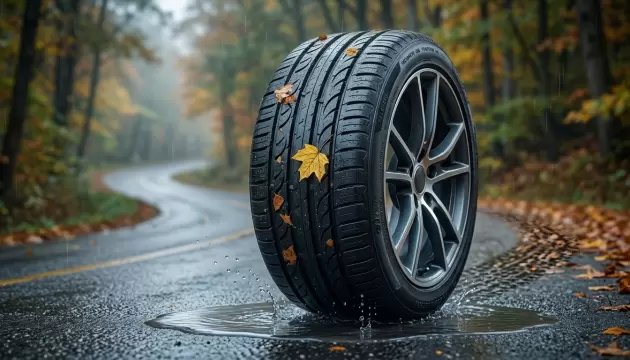
Rainy and slippery roads in autumn make tire condition especially important. Tire tread helps evacuate water...

Why is your steering wheel vibrating? Learn about wheel imbalance, tire and rim problems, wheel alignment,...
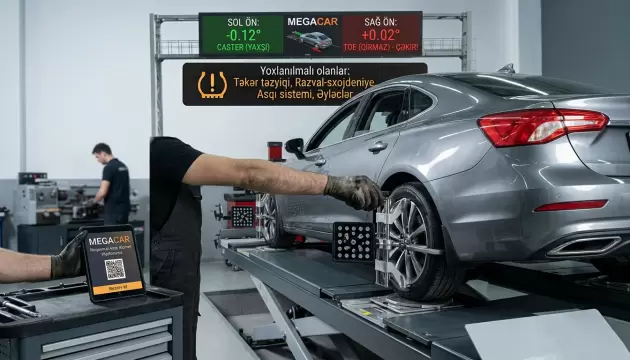
If your car pulls to the right or left while driving on a straight road, even when the steering wheel is held straight, it may indicate a problem with the tires, wheel alignment, suspension, steering or braking system. Sometimes the cause can be as simple as different tire pressures. However, if the vehicle consistently pulls to one side, a more comprehensive inspection may be necessary. Why does a car pull to one side? There can be several reasons why a vehicle does not maintain a straight direction. To identify the actual cause, it is important to check more than just the tires. Different tire pressure One of the simplest and most common causes is unequal tire pressure. If one of the front tires has lower pressure than the other, the vehicle may pull toward that side. The first step is therefore to check the pressure in all tires and adjust it according to the vehicle manufacturer's recommended specifications. Uneven tire wear Uneven tread wear can also affect the direction of the vehicle. If the inner or outer part of a tire is wearing significantly faster than the rest, it may indicate incorrect wheel alignment or a problem with the suspension components. Incorrect wheel alignment The correct position of the wheels relative to the road and to each other is important for vehicle stability. Incorrect wheel alignment can cause the vehicle to pull to the right or left and make it harder to maintain a straight line. This can happen after hitting a pothole, striking a curb or replacing suspension components. Suspension or steering problems Worn steering and suspension components can also cause the vehicle to pull to one side. Components such as tie rods, ball joints, control arm bushings, shock absorbers and other suspension parts should be inspected for excessive play, damage or wear. Simply adjusting the wheel alignment may not solve the problem if an underlying suspension or steering issue remains. Brake system problems If the vehicle pulls more strongly to one side when braking, the braking system may be the cause. For example, a sticking brake caliper or uneven braking force can cause the vehicle to move toward one side during braking. In this situation, the braking system should be inspected without unnecessary delay. Wheel or rim problems A damaged rim, deformed tire or damage caused by a strong impact can also affect the vehicle's direction. If the vehicle started behaving differently after hitting a pothole or curb, the wheels and rims should be inspected. Is it normal for a car to pull slightly to the right? Some roads have a slight slope designed to help water drain from the road surface. Because of this, a vehicle may naturally move slightly toward one side. However, a noticeable and continuous pull to the right or left should not simply be considered normal. A check is especially important if you constantly need to hold the steering wheel in a certain position, the tires are wearing unevenly or the vehicle pulls to one side when braking. What should you do if your car pulls to one side? Start the inspection with the simplest possible causes: Check the tire pressure. Inspect the tires for uneven wear. Check the condition of the wheels and rims. Check the wheel alignment. Inspect the steering and suspension components. Check the braking system. It is important to identify the actual cause instead of simply adjusting the wheel alignment. If the problem is caused by the suspension, steering or braking system, the underlying issue should be repaired first. Why does your car pull to the right or left? Learn about tire pressure, wheel alignment, suspension,...